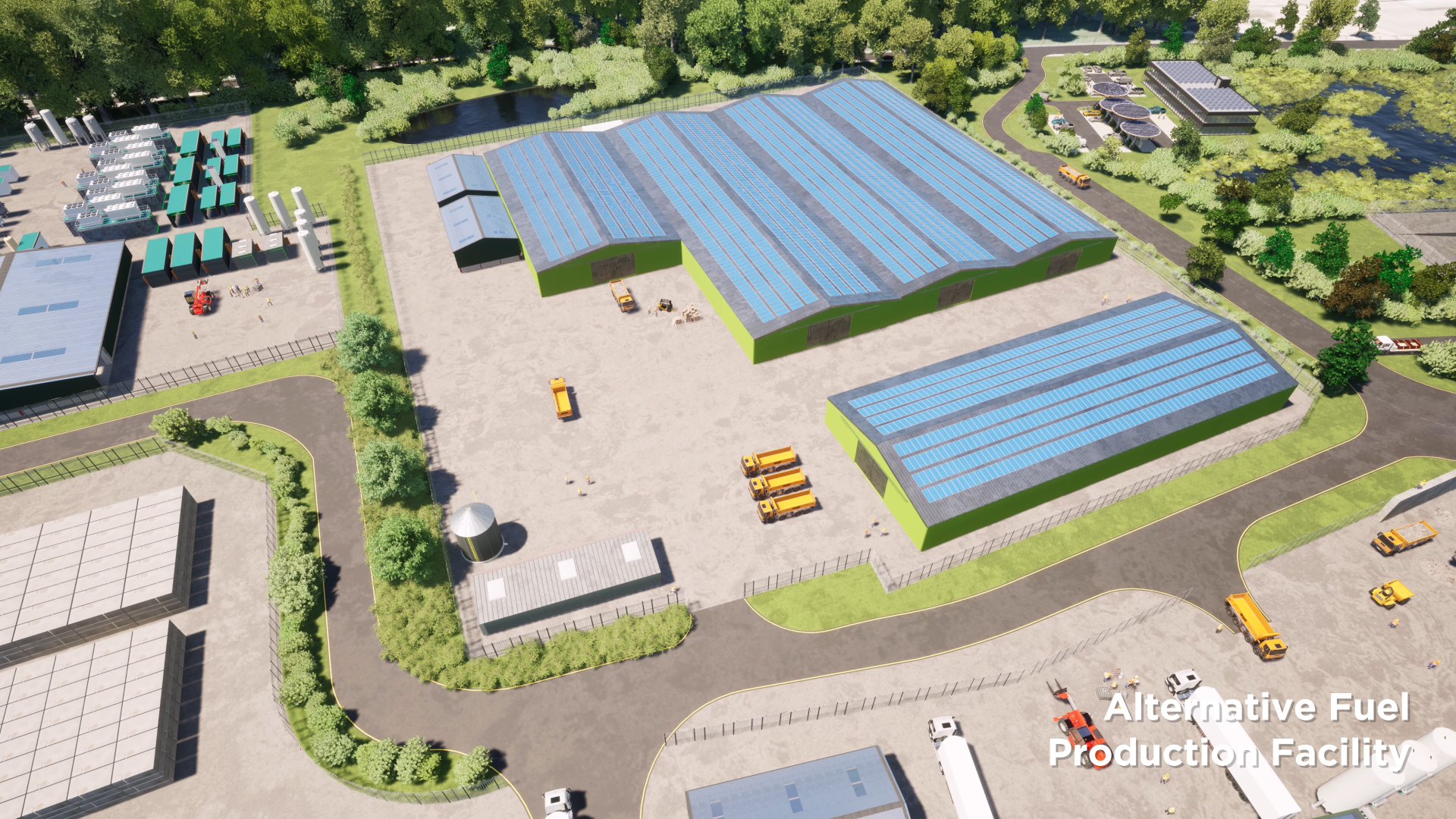
Solid Recovered Fuels Plant
This facility processes non-organic waste and does not accept domestic waste
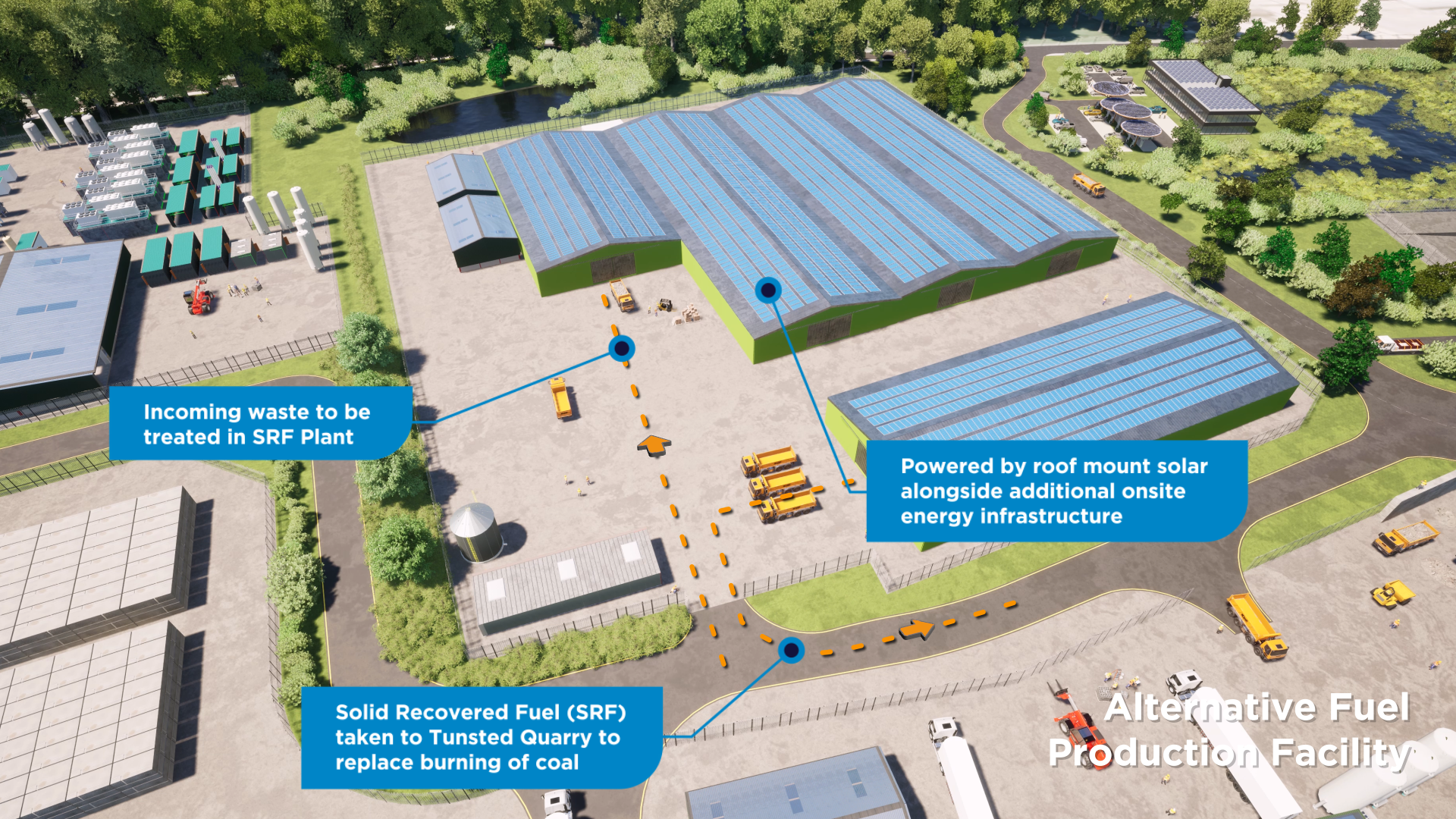
Tarmac is proposing to develop a state-of-the-art production facility at the Cotesbach site. This plant will take non-recyclable waste from regional waste management partnerships, and convert it into a high-quality, sustainable fuel known as Solid Recovered Fuel (SRF). This SRF will then be transported using biomethane or electric-powers HGVs and used as a cleaner alternative to fossil fuels at Tarmac’s cement manufacturing facility in the Peak District, creating an efficient, circular-economy solution for managing waste and energy. The facility is designed to process approximately 200,000 tonnes of imported waste per year.
Advanced waste-to-fuel processing facility
Reduces Landfill
The plant will divert large volumes of non-recyclable waste away from landfill sites, which helps reduce the emission of methane, a powerful greenhouse gas.
Creates a Valuable Resource from Waste
The project turns material that would otherwise be discarded into a consistent and reliable fuel source, supporting the principles of a circular economy.
Replaces Fossil Fuels
The SRF produced will replace the use of traditional fossil fuels, like coal, lowering the carbon footprint of Tarmac’s cement production.
Supports Regional Waste Management
The facility will provide regional authorities with a long-term, cost-effective outlet for its non-recyclable waste, while guaranteeing a steady supply of material for the plant.
How the Plant Will Work
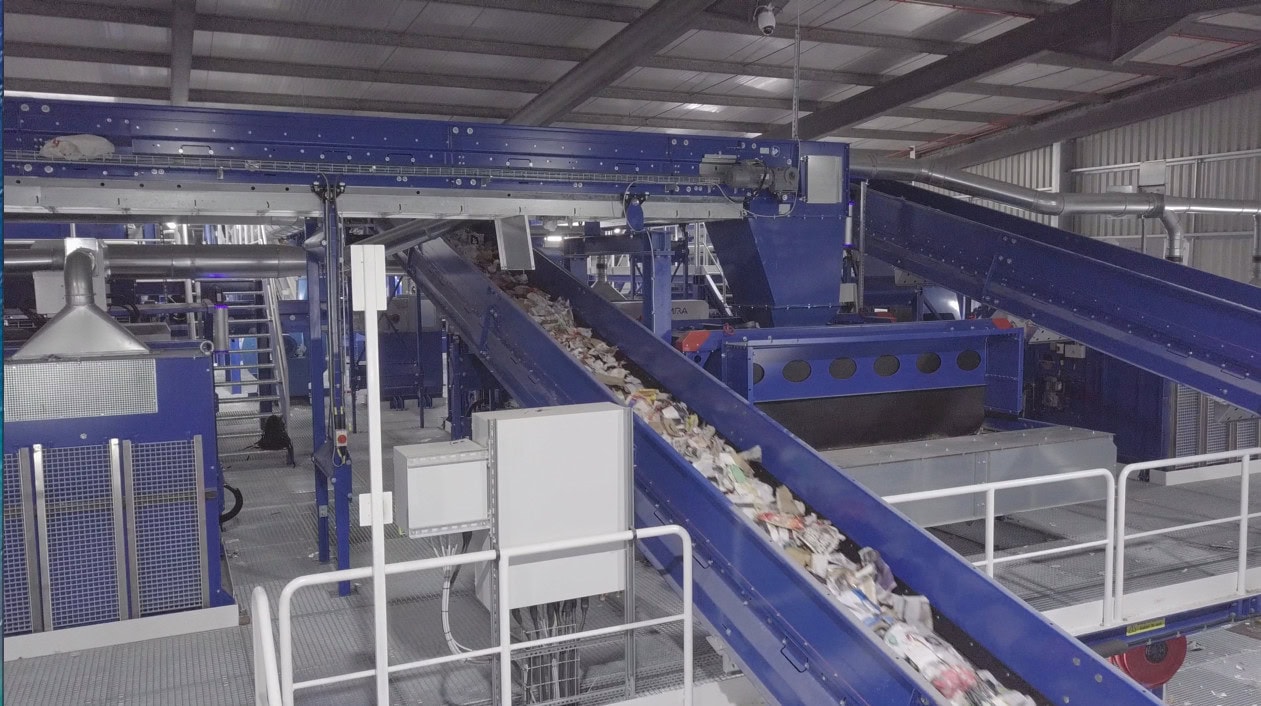
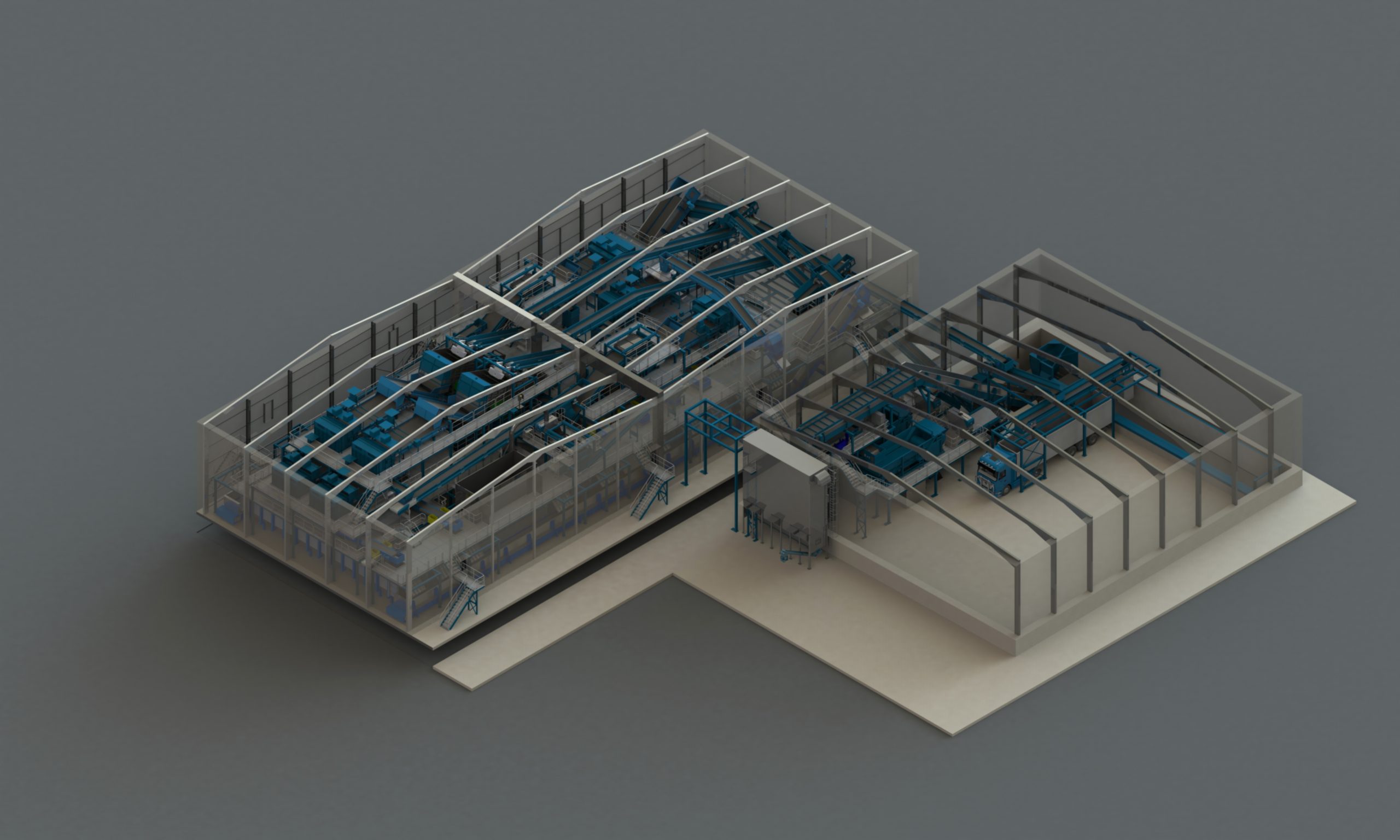
The plant will use a sequence of market-leading, energy-efficient machines to transform waste, which would have otherwise gone to landfill, into fuel.
- Primary Shredding: Incoming waste is first fed into a powerful M&J F320e electric fine-shredder. This machine shreds the material into small, consistently sized pieces, which is essential for the sorting process. It is designed to be highly energy-efficient, quiet, and reduces fire risk.
- Material Spreading: After shredding, the material moves to a Westeria DiscSpreader. This machine uses advanced Artificial Intelligence (AI) and a camera to automatically spread the material evenly across the conveyor belt, ensuring the sorting equipment that follows can work as effectively as possible.
- Air Separation (Windsifting): The spread material then enters a Westeria AirStar windsifter. This machine uses a powerful and precisely controlled jet of air to separate materials by weight. Lighter materials (like paper, card, and some plastics), which are good for fuel, are blown into one channel, while heavier items (like stones, glass, and metal) drop out.
- High-Tech Optical Sorting: The stream of light material is sent to a Tomra Autosort machine. This is the most critical step for quality control. Using advanced Near-Infrared (NIR) sensors and AI, the sorter can identify and remove specific unwanted materials, particularly PVC plastic. When an unwanted item is detected, a precise blast of compressed air removes it from the main stream. This ensures the final SRF product is clean-burning and meets strict quality standards.
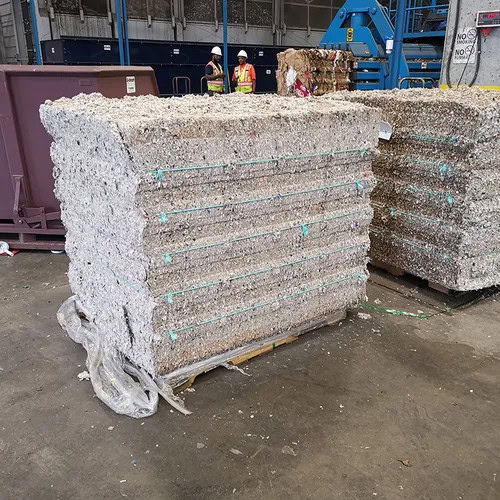
- The Final Product: The remaining high-quality material is the finished SRF fuel. Around 87-90% of the initial waste is converted into this fuel. The fuel is then compacted before transport.
Careful consideration has been given to minimising the local impact and maximising sustainability:
- The plant is designed to fit within the existing buildings on site, minimising the need for new construction and reducing its visual and planning impact.
- The buildings will be re-clad with modern composite panels designed to deaden noise from the operations inside.
- The building roofs will be fitted with a full solar panel array, designed to provide enough electricity to power all the new, energy-efficient equipment within the plant.
- By compacting the SRF, each lorry would be able to carry a minimum of 24 tonnes, compared to the typical 18 tonnes for loose material. This reduces the number of journeys required to transport the SRF by 25 per cent. Furthermore, the plan is to use an electric- or biomethane-powered HGV for transport, which will be charged using the electricity generated by the on-site solar panels, making the transport of fuel a net-zero operation.

Repurpose, Reenergise, Reinvent our world: Cotesbach 2030
Get in touch:
If you have a question to ask or want to contact a member of our team, please do not hesitate to get in touch with us.
- Email info@cotesbach-development.co.uk
- Call our freephone information line on 0800 699 0081 and leave a voicemail (Mon-Fri, 9am-5pm, excluding public holidays)
- Write to us at FREEPOST TC CONSULTATION (no further address or stamp required)