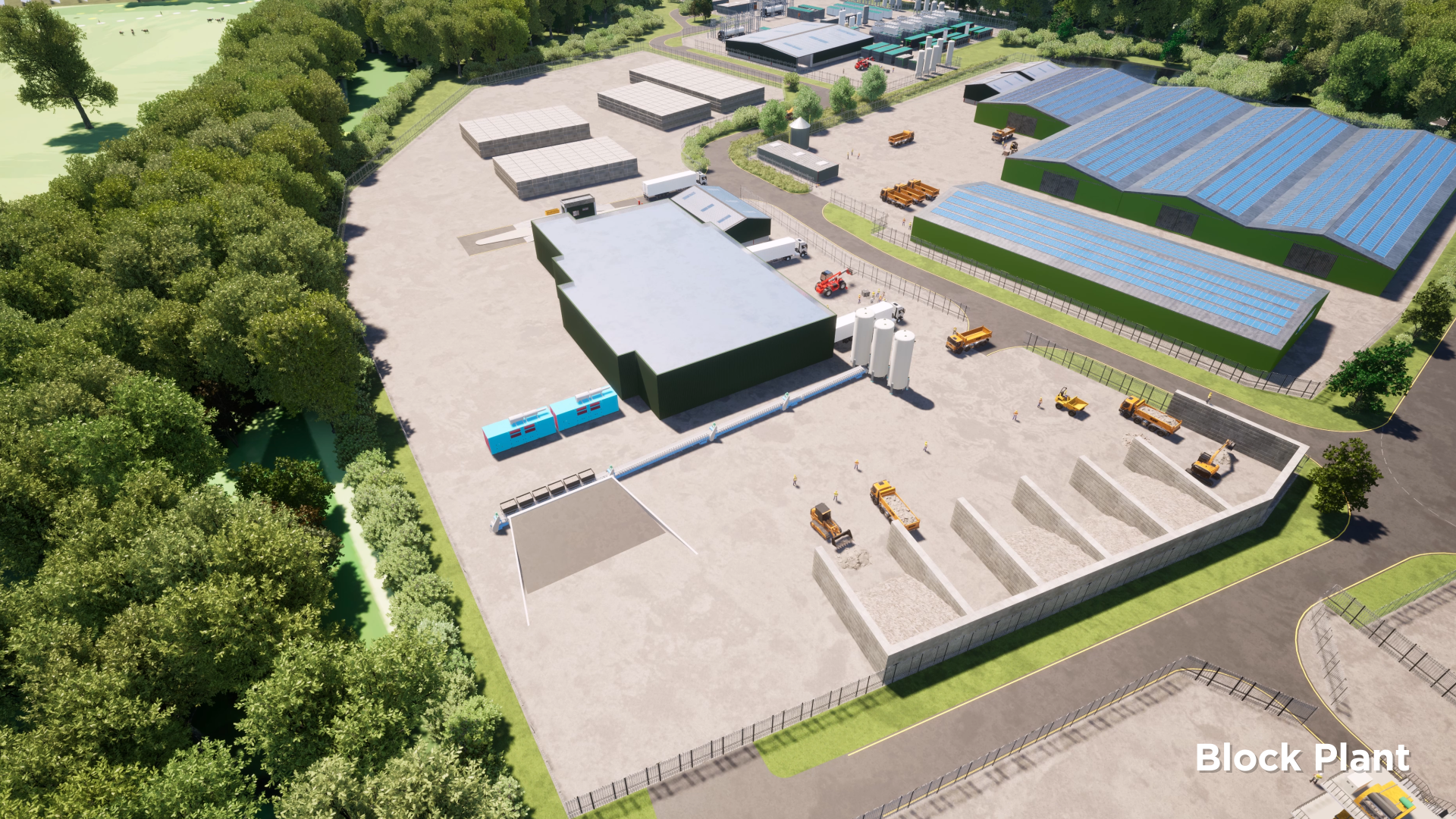
Block Plant
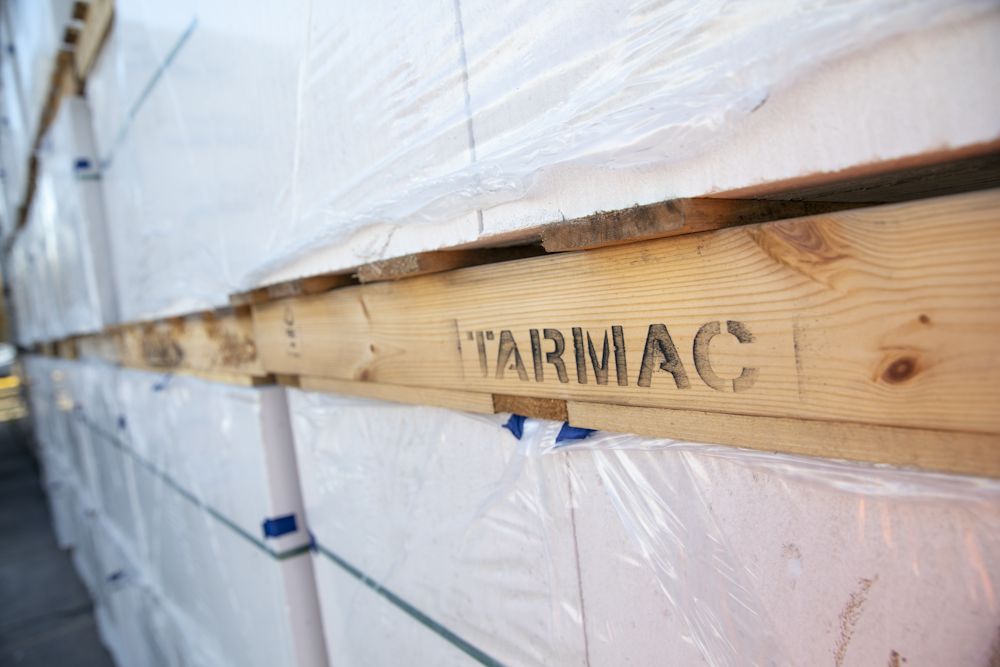
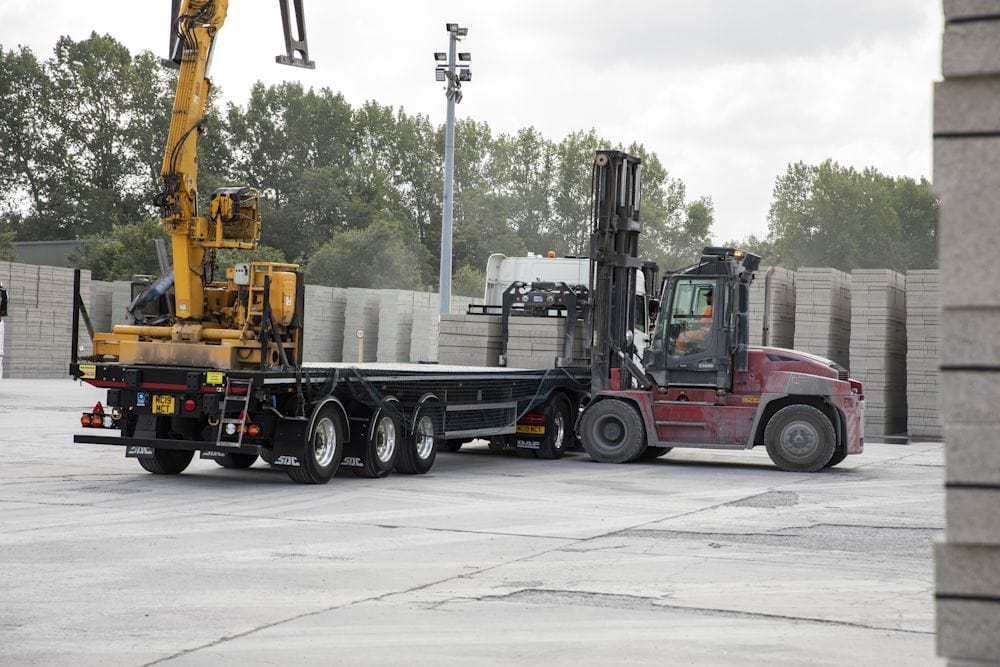
A Tarmac block plant is a high-tech factory that mass-produces concrete paving blocks, bricks, and kerbstones — the materials you see on driveways, paths, patios, and in town centres. Think of it like a giant industrial bakery, but instead of cakes it “bakes” concrete blocks. Everything is automated so every block is the same size, shape, and strength.
What Goes into a Block
Each batch of blocks uses a precise mix of four main ingredients:
- Aggregates: Sand and small stones that give the block bulk and strength.
- Cement: A fine grey powder that acts like glue, holding the mix together when water is added.
- Water: Activates the cement and makes the mix workable.
- Pigments: Colouring powders that give the finished blocks their shade — like charcoal, red, or buff.
A Closed Loop for Materials
By locating the block plant next to the wash plant, the recycled aggregates can be supplied directly, likely via a short conveyor belt. This eliminates the need for trucks to import raw materials, drastically cutting transport costs, local traffic, and carbon emissions.
A Closed Loop for Water
The process of mixing concrete for the blocks requires a significant amount of water. The on-site leachate treatment facility is designed to produce a large volume of clean, treated water. Benefit: The block plant can use this recycled water from the leachate facility for its production needs. This creates a water circular economy on-site, massively reducing the demand for fresh mains water and making the entire operation more sustainable.
A Closed Loop for Energy
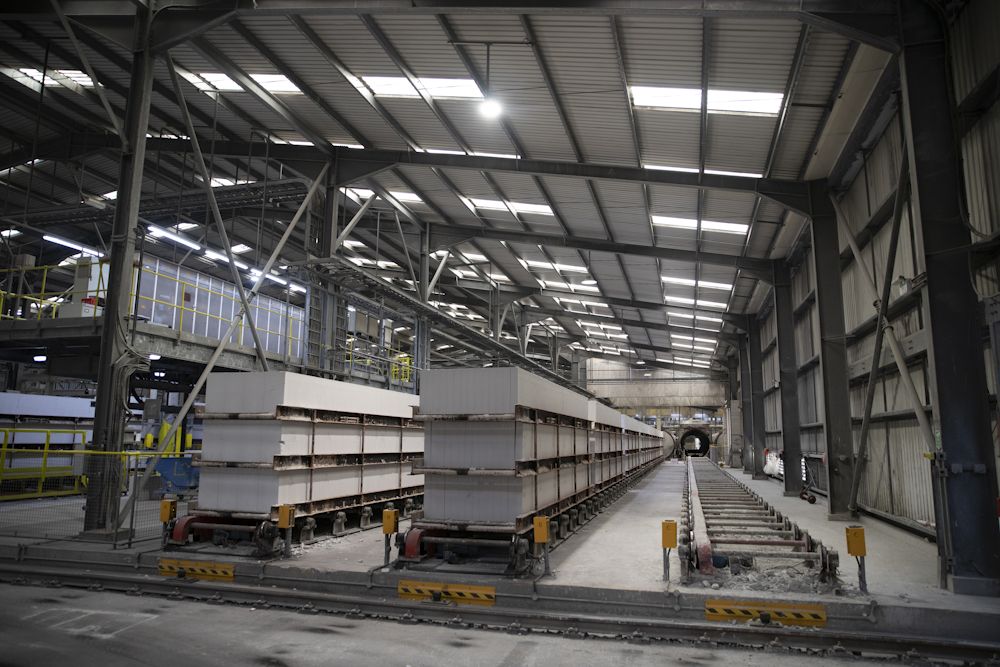
Manufacturing concrete blocks requires a crucial energy-intensive step called “curing,” where freshly made blocks are placed in a warm, humid chamber to harden and gain strength. The on-site Flexible Generation (FlexGen) and SRF power plant is designed as a Combined Heat and Power (CHP) unit, producing not just electricity but also a large amount of waste heat and steam.
This waste heat or steam, which would otherwise be released into the atmosphere, can be piped directly to the block plant to heat the curing chambers. This provides a free and carbon-friendly energy source for a key part of the manufacturing process, lowering costs and the plant’s overall carbon footprint.

Creating a ‘Circular Construction Hub’
Combining these facilities on one site creates a comprehensive, self-sustaining ecosystem for construction materials. The cycle is simple and efficient: Local construction waste comes in, the wash plant recycles it into new aggregates, the leachate plant provides recycled water, and the power plant provides the energy. The block plant then uses all these on-site resources to manufacture a new, high-value product that can be sent back out to local construction projects.

Repurpose, Reenergise, Reinvent our world: Cotesbach 2030
Get in touch:
If you have a question to ask or want to contact a member of our team, please do not hesitate to get in touch with us.
- Email info@cotesbach-development.co.uk
- Call our freephone information line on 0800 699 0081 and leave a voicemail (Mon-Fri, 9am-5pm, excluding public holidays)
- Write to us at FREEPOST TC CONSULTATION (no further address or stamp required)