
Electric‑Powered Concrete Plant
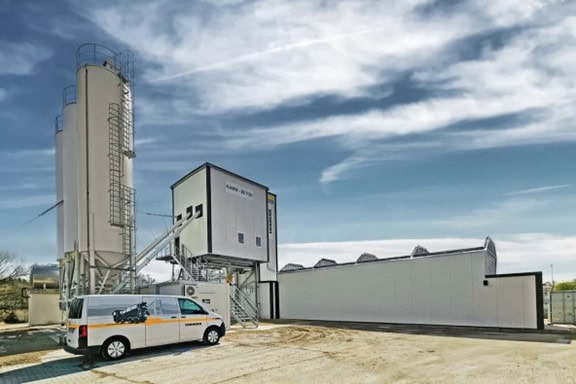
An electric concrete plant is a batching facility that mixes cement, water, and aggregates into concrete using electric-powered mixers, conveyors, and pumps. It works like a traditional plant, but is cleaner, quieter, and more sustainable, especially when powered by renewable electricity as is proposed at Cotesbach.
Sustainable concrete production facility
Think of a ready-mix concrete plant as a large, automated kitchen for baking a cake, but instead of flour and sugar, it uses cement, sand, and gravel.
How the plant will work
Locating the proposed electric powered ready-mix plant directly next to the aggregate wash plant creates a highly efficient and sustainable “closed-loop” system with several key benefits:
- The biggest advantage is that the sand and gravel produced by the aggregate wash plant can be moved directly to the ready-mix plant, likely via a short conveyor belt. This eliminates the need for fleets of lorries to transport the materials between sites, significantly reducing local traffic, vehicle emissions, and fuel consumption.
- The co-location creates a perfect example of the circular economy in action. Local construction and demolition waste is brought to the site, recycled into high-quality aggregates, and immediately used to manufacture a new, valuable product (concrete) in the same location.
- An on-site facility allows for a “just-in-time” supply of materials. The wash plant can produce aggregates to the precise specification required by the concrete plant on any given day, ensuring a consistent, high-quality final product, which is produced specifically to order.
- The wash plant is designed as a closed-loop system that continuously cleans and recycles its own water, minimising waste. It can be “topped up” using the clean water from the adjacent leachate treatment plant.
- By feeding materials directly from one plant to the other, the number of heavy vehicles moving to and from, as well as around the site is dramatically reduced. This minimises the need for journeys on local roads, as well as the risk of accidents, and improves overall site safety.
Circular economy in action
- The primary components are kept in large, separate containers. Sand and different sizes of gravel (known as aggregates) are stored in large bins, while the cement (the fine grey powder that acts as the binder) is stored in a tall silo to keep it dry. Water is also stored in tanks.
- When an order is placed, a computer-controlled system measures out the exact weight of each ingredient—sand, gravel, and cement—according to a specific recipe, known as a “mix design.” This process is called batching and ensures every load of concrete is consistent and meets the required strength.
- The precisely measured “dry” ingredients are then fed into a large central mixer. Water is added, and the mixer tumbles everything together thoroughly to produce wet, homogenous concrete.
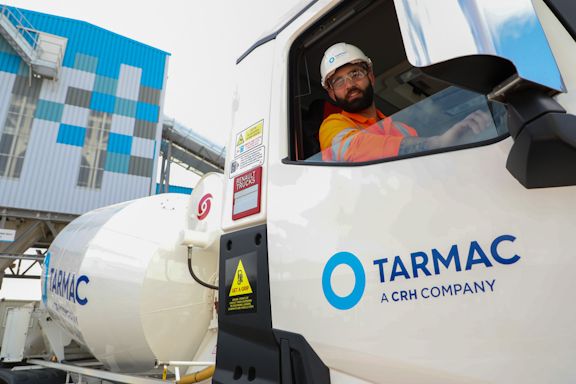
- Once mixed, the fresh concrete is discharged from the mixer directly into a familiar concrete mixer truck. The drum on the truck continues to rotate on the way to the construction site to keep the concrete from setting.


Repurpose, Reenergise, Reinvent our world: Cotesbach 2030
Get in touch:
If you have a question to ask or want to contact a member of our team, please do not hesitate to get in touch with us.
- Email info@cotesbach-development.co.uk
- Call our freephone information line on 0800 699 0081 and leave a voicemail (Mon-Fri, 9am-5pm, excluding public holidays)
- Write to us at FREEPOST TC CONSULTATION (no further address or stamp required)